What Is Plantar Fibromatosis?

Plantar fibromatosis is a condition in which firm nodules form within the plantar fascia, the thick band of tissue along the bottom of the foot. These nodules can cause discomfort when standing, walking, or wearing certain shoes. The exact cause is not always clear, but genetics, repeated stress on the feet, and certain medical conditions may contribute to its development. Symptoms often include lumps in the arch, soreness, and gradual changes in foot comfort. A podiatrist can help by evaluating the nodules, recommending supportive footwear, providing orthotics, and offering treatments that reduce pressure and discomfort. If you notice lumps or pain in your arch, it is suggested that you consult a podiatrist who can address the condition early and protect your ability to move comfortably. 

A plantar fibroma may disrupt your daily activities. If you have any concerns, contact one of our doctors of New Jersey and New York. Our doctors can provide the care you need to keep you pain-free and on your feet.

Plantar Fibroma

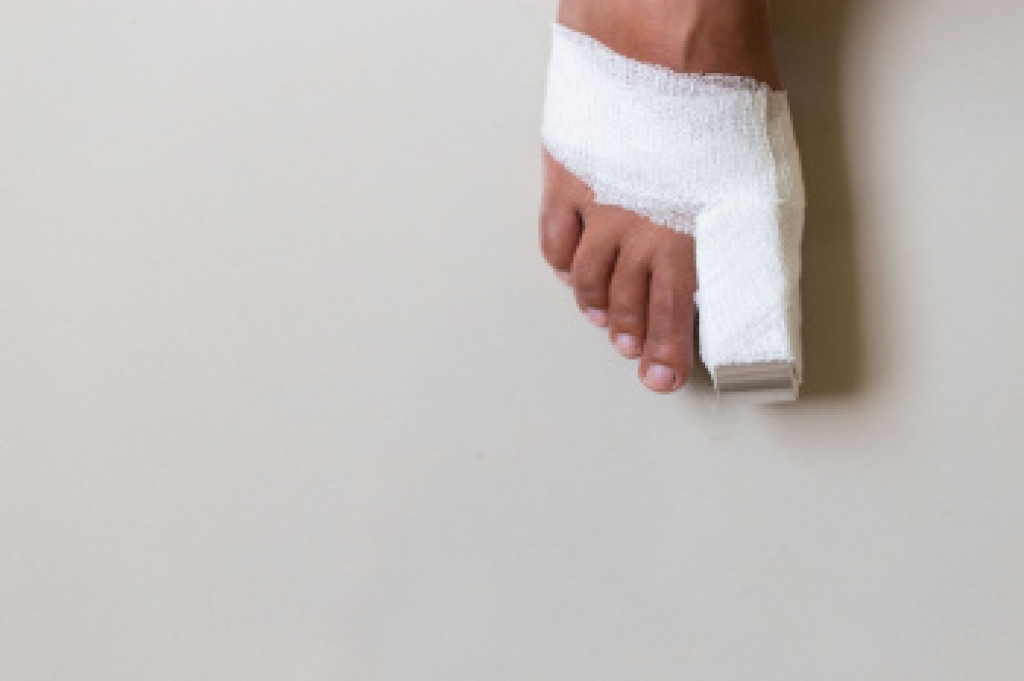
A plantar fibroma is a fibrous knot in the arch of the foot. It is embedded in the plantar fascia which is a band of tissue that extends from the heel to the toes along the bottom of the foot. There can be multiple plantar fibromas in the feet at the same time. There are no known causes for this condition. If you have a plantar fibroma, there will be a bump in the arch of your foot that cannot be missed. Any associated pain is most often due to a shoe rubbing against the nodule. Non-surgical options, such as steroid injections, physical therapy, and orthotics should be tried first. Surgery is a last resort and is the only thing that will remove a plantar fibroma entirely. Consult with a podiatrist for a proper diagnosis and to determine the treatment regimen that is right for you.

What Causes a Plantar Fibroma?

While there are no specific causes identified, a plantar fibroma can possibly come from genetic predisposition or the formation of scar tissue that forms from healing the tears in the plantar fascia.

What Are the Symptoms of a Plantar Fibroma?

There will be a noticeable lump in the arch of the foot that may or may not cause pain. If pain is felt, it is typically because a shoe is rubbing up against the lump or when walking or standing barefoot.

Treatment and Prevention

A plantar fibroma will not disappear without treatment, but it can get smaller and be a non-issue. If pain persists, a podiatrist examines the foot and when the arch of the foot is pressed, pain can be felt down to the toes. An MRI or biopsy might be performed to help diagnose or evaluate the plantar fibroma. The following non-surgical options are generally enough to reduce the size and pain of these nodules:

  • Steroid injections
  • Orthotics
  • Physical therapy to help apply anti-inflammatory creams on the bump 

Surgery is considered if the mass increases in size and the patient continues to feel pain after non-surgical methods are tried.

If you have any questions, please feel free to contact our offices located in Little Silver, NJ and New York, NY . We offer the newest diagnostic and treatment technologies for all your foot care needs.

Read more about Plantar Fibroma

Understanding the Causes and Symptoms of Swollen Feet

Swollen feet can develop for many reasons and often signal an underlying issue that needs attention. Common causes include prolonged standing, injuries that lead to inflammation, and venous insufficiency where blood struggles to return to the heart. More serious health concerns such as heart or kidney disease can also contribute to fluid buildup in the feet and ankles. Symptoms may include puffiness, tight skin, discomfort, or reduced mobility. A podiatrist can evaluate the cause, provide targeted treatment, and recommend strategies to reduce swelling and improve circulation. If you notice frequent or persistent swelling in your feet, it is suggested that you schedule a visit with a podiatrist for expert care and appropriate relief options.

Swollen feet can be a sign of an underlying condition. If you have any concerns, contact one of our doctors of New Jersey and New York. Our doctors can provide the care you need to keep you pain-free and on your feet.

Swollen feet are a common ailment among pregnant women and people who stand or sit for extended periods. Aging may increase the possibility of swollen feet and patients who are obese often notice when their feet are swelling too. There may be medical reasons why swollen feet occur:

  • Phlebitis - A condition that causes the veins to become inflamed and can also cause leg pain.
  • Liver disease - This may lead to low blood levels of albumin which is a protein. This can cause fluid in the blood to pass into the tissues and several areas of the body can become swollen.
  • Heart failure - When the heart doesn’t pump properly the blood that is normally pumped back to the heart can pool in the veins of the legs causing swollen feet.
  • Kidney disease - One of the main functions of the kidneys is releasing excess fluid in the body. This type of condition can make it difficult for the kidneys to function properly, and as a result the feet may become swollen.
  • Deep-vein thrombosis (DVT)- This is a serious condition where blood clots form in the veins of the legs. They can block the return of blood from the legs to the heart which may cause the feet to swell. It is important to be treated by a podiatrist if this condition is present.

Swollen feet can also be caused by bone and tendon conditions, including fractures, arthritis, and tendinitis. Additionally, there may be skin and toenail conditions and an infection may cause the feet to swell. Patients who take medicine to treat high blood pressure may be prone to getting swollen feet. 

Many patients elevate their feet to help relieve the swelling and this is generally a temporary remedy. When a podiatrist is consulted the reason behind the swelling can be uncovered and subsequently treated.

If you have any questions please contact our offices located in Little Silver, NJ and New York, NY . We offer the newest diagnostic and treatment technologies for all your foot and ankle needs.
Read more about Swelling of the Feet

Are You Suffering From Nerve Damage?

Neuropathy is a condition that can lead to numbness or loss of sensation in the feet, but it can also cause pain. This condition is more likely to develop for those who are diabetic, obese, or with high blood pressure.

Do I Need Walking or Running Shoes?

Selecting proper footwear is essential because running places greater strain on the body than walking, making the right support critical for comfort and injury prevention. Walking shoes are designed for steady forward motion and usually offer flexible soles and cushioning for the heel and arch. Running shoes provide more shock absorption, stronger heel support, and added stability to handle the higher impact forces with each stride. Both types should fit well, offer good traction, and match your foot shape and activity level. A podiatrist can evaluate your gait, foot structure, and any pain concerns to recommend the best footwear for your needs. If you have sustained a foot injury from wearing the wrong shoes, it is suggested that you consult a podiatrist who can treat various foot conditions, and guide you on the correct shoes to wear for your desired activity.

For more information about walking shoes versus running shoes, consult with one of our doctors from New Jersey and New York. Our doctors can measure your feet to determine what your needs are and help you find an appropriate pair of footwear.

Foot Health: The Differences between Walking & Running Shoes

There are great ways to stay in shape: running and walking are two great exercises to a healthy lifestyle. It is important to know that running shoes and walking shoes are not interchangeable. There is a key difference on how the feet hit the ground when someone is running or walking. This is why one should be aware that a shoe is designed differently for each activity.

You may be asking yourself what the real differences are between walking and running shoes and the answers may shock you.

Differences

Walking doesn’t involve as much stress or impact on the feet as running does. However, this doesn’t mean that you should be any less prepared. When you’re walking, you land on your heels and have your foot roll forward. This rolling motion requires additional support to the feet.

Flexibility – Walking shoes are designed to have soft, flexible soles. This allows the walker to push off easily with each step.

If you have any questions, please feel free to contact our offices located in Little Silver, NJ and New York, NY . We offer the newest diagnostic and treatment technologies for all your foot care needs.

Read more about Choosing the Right Running Shoe for Your Foot Type

Athlete’s Foot and How It Differs from Eczema

Athlete’s foot is a fungal infection that affects the skin of the feet, often causing peeling, itching, redness, and a burning sensation. Eczema is a noninfectious skin condition that creates dry, scaly, or inflamed patches and may cause intense itching without the presence of fungus. Athlete’s foot commonly appears between the toes, while eczema can affect any area of the foot and often feels rough or irritated rather than burning. A podiatrist can perform an examination to determine the correct diagnosis, provide antifungal treatment for athlete’s foot, or guide soothing care for eczema. If you are unsure about a persistent foot rash, it is suggested that you consult a podiatrist who can accurately diagnose and offer effective relief and treatment solutions.

Athlete’s Foot

Athlete’s foot is often an uncomfortable condition to experience. Thankfully, podiatrists specialize in treating athlete’s foot and offer the best treatment options. If you have any questions about athlete’s foot, consult with one of our doctors from New Jersey and New York. Our doctors will assess your condition and provide you with quality treatment.

What Is Athlete’s Foot?

Tinea pedis, more commonly known as athlete’s foot, is a non-serious and common fungal infection of the foot. Athlete’s foot is contagious and can be contracted by touching someone who has it or infected surfaces. The most common places contaminated by it are public showers, locker rooms, and swimming pools. Once contracted, it grows on feet that are left inside moist, dark, and warm shoes and socks.

Prevention

The most effective ways to prevent athlete’s foot include:

  • Thoroughly washing and drying feet
  • Avoid going barefoot in locker rooms and public showers
  • Using shower shoes in public showers
  • Wearing socks that allow the feet to breathe
  • Changing socks and shoes frequently if you sweat a lot

Symptoms

Athlete’s foot initially occurs as a rash between the toes. However, if left undiagnosed, it can spread to the sides and bottom of the feet, toenails, and if touched by hand, the hands themselves. Symptoms include:

  • Redness
  • Burning
  • Itching
  • Scaly and peeling skin

Diagnosis and Treatment

Diagnosis is quick and easy. Skin samples will be taken and either viewed under a microscope or sent to a lab for testing. Sometimes, a podiatrist can diagnose it based on simply looking at it. Once confirmed, treatment options include oral and topical antifungal medications.

If you have any questions, please feel free to contact our offices located in Little Silver, NJ and New York, NY . We offer the newest diagnostic and treatment technologies for all your foot care needs.

Read more about How to Deal with Athlete's Foot

Connect With Us

scroll to top