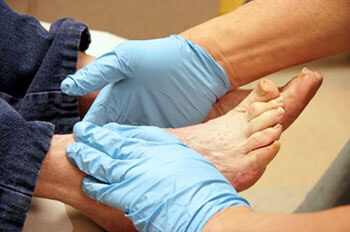
Unfortunately, foot problems are often a common result of having diabetes. As time goes by, it’s likely that diabetes can cause nerve damage, also known as diabetic neuropathy. This can lead to tingling or a painful sensation, and it may also cause you to lose feeling in your feet. The loss of feeling in your feet can become incredibly dangerous, especially if you can longer sense a blister or cut on your foot; this can lead to sores or infections.
There are many ways to maintain healthy foot care when dealing with diabetes. Most importantly, you want to ensure that you’re managing your blood glucose levels, otherwise known as your blood sugar. You also want to ensure that you’re checking your feet daily. As mentioned before, it’s important to recognize if your feet have cuts, sores, blisters, plantar warts, ingrown toenails, or other troubling foot conditions to stay ahead of the issue and prevent yourself from further harm. Along with foot checks, you should also wash and dry your feet daily using lukewarm water. It may also be useful in certain cases to moisturize your feet a few times a week, especially if you’re prone to dryness. Please be advised, however, to avoid moisturizing between the toes as they will not dry properly. Another rule you may want to follow is to ensure you’re cutting your toenails straight across. You should also refrain from digging into the sides of the toes; this will help prevent the development of an ingrown toenail. If you do happen to develop a corn or callus, never treat them yourself; seek the help of a professional. It may also be beneficial to look into socks made specifically for those with diabetes to help provide yourself with extra cushion. You may also want to refrain from walking barefoot, as well as avoid smoking, as it restricts the blood flow to your feet.
In certain serious cases, you may notice a cut, blister, or bruise is not healing after a few days. If this occurs, it’s important to seek the help of a professional. Other warning signs include redness, swelling, a callus with dried blood inside of it, or an infection that causes discoloration of the foot and an odor.
If you’d like more information on how to maintain healthy feet while living with diabetes, seek the assistance of a podiatrist who can provide you with the tips needed for healthy foot care.
